

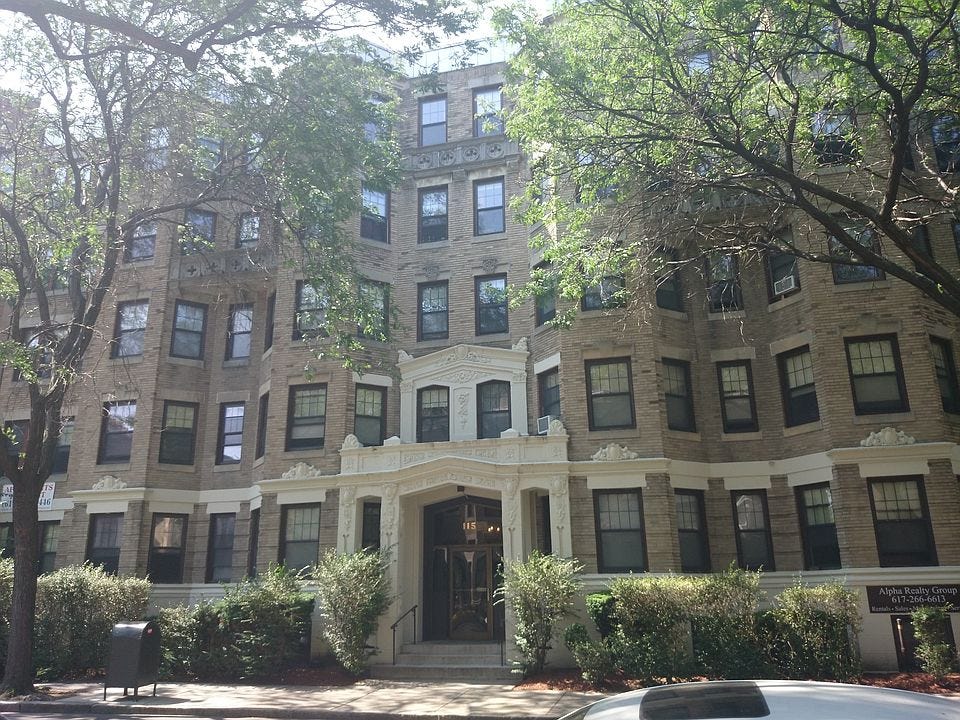
In attempting to craft a nonlinear series of experientially based narratives in support of a semi-coherent philosophical treatise, I have created quite a few yawning holes. Sooner or later, these gaps will require some attention, if not exactly by filling them in entirely. One of these huge lapses concerns the city of Boston and its outsized role in the development of my jaundiced worldview.
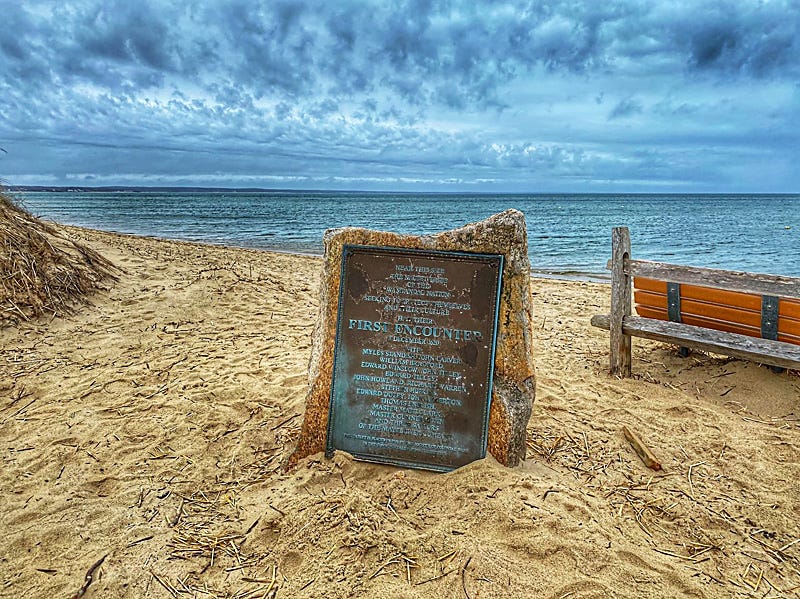
Boston, along with greater Massachusetts (Cape Cod, primarily) and Rhode Island (Providence), is where my genetically contrarian, socially uncooperative paternal ancestry first set foot on these shores and began snubbing the religious and morally prescriptive “pilgrims” with whom they’d hitched a ride to the more accommodating new world. Stephen Hopkins, my ancestral namesake, was no pilgrim. Fleeing some sort of legal trouble in England, he and a pal posing as his “indentured servant” became thorns in the sides of the leaders of an expedition to Jamestown aboard the Sea Venture, which had run aground in Bermuda during a hurricane. They allegedly effected an armed mutiny, demanding among other things increased access to food and, more importantly, grog. Later on a second trip, returning to the new world aboard the Mayflower, the spiky Hopkins negotiated an agreement with William Bradford and the rest of the stingy religiosos, creating an uneasy truce. Not long after the bunch hit landfall at First Encounter Beach, Provincetown and Plymouth and started setting up shop, Hopkins allegedly ditched the settlement and took to the woods to live among the natives.
My paternal American ancestry is thus littered with a long line of drunken, mildly criminal-minded malcontents.
My maternal line is not appreciably any better. The Hardenberghs were Dutch interlopers who, after entering the western hemisphere through New Amsterdam in the early colonial era, made deals with the conquering British and prospered in the Hudson Valley and southern tier of the colony. One of them was even awarded a grant of the entire triangle of land encompassing the Catskills, which he failed to hold onto. Eventually letting their slaves (including Sojourner Truth) and vast landholdings go, the Hardenberghs carried on as pinch-faced merchants in Ulster County for a couple of centuries before spreading out across southern New York and New England in a flurry of alcohol-fueled inbreeding.
My mom’s brother, a jet pilot during the Korean conflict, got a cushy job with Ma Bell and settled in the mid-20th century in Boston, a happenstance that provided me my first exposures to that region. He and his wife created a family of hard-drinking liberal Democrats, and were always available to an errant teenager seeking some sort of familial anchor while floundering about after his birth family had absconded to the west coast of Florida.
I believe at the close of Chapter 12 of this missive, something titled “Anarchy 103,” my 18-year-old self was heading out of town (Albany NY) in the spring of 1971 after having hit a bit of an existential wall. In my addled memory bank, there exists a murky semi-recollection that I initially hitchhiked to Cortland NY, where I subsisted in my sister Lynn’s SUNY Cortland dorm room for a few days, watching her kick ass at ping pong and attending a legendarily shitty performance by the Grateful Dead, in an arena surrounded by barbed wire and patrolled by police struggling to keep German Shepherd attack dogs from eating the overdose-prone concertgoers. Tiring in short order of the permanent central New York gloom, I took a bus to Boston and descended upon the tolerant good graces of Dave Chludzinski, a kid from Watervliet I had befriended at Camp Beaver Cross. He was then a student at Northeastern University, and I camped in my sleeping bag on the floor of his dorm on St. Stephen Street, and began monitoring philosophy classes at Northeastern and music theory classes at nearby New England Conservatory, where my friend Marc Belair was attending. It wasn’t long before I was able to assume the identity of one of Dave’s roommates, a rich trust fund kid who quit school just prior to the end of his first term and gave me his student ID, whereupon I ate his food and slept in his bunk into the following semester. I visited my uncle and his family once or twice down at their big house in Hyde Park, marveling at how Kennedy-esque it all seemed.
By day when not attending classes in which I didn’t belong, I would take to the streets distributing the weekly alternative rag, the Boston Phoenix, or going to the local package store to buy alcohol for my growing list of underage customers. I was as underage as the rest of them, but I’ve always looked 10 years older than I am, and with my crappy fake ID I was able to pass.
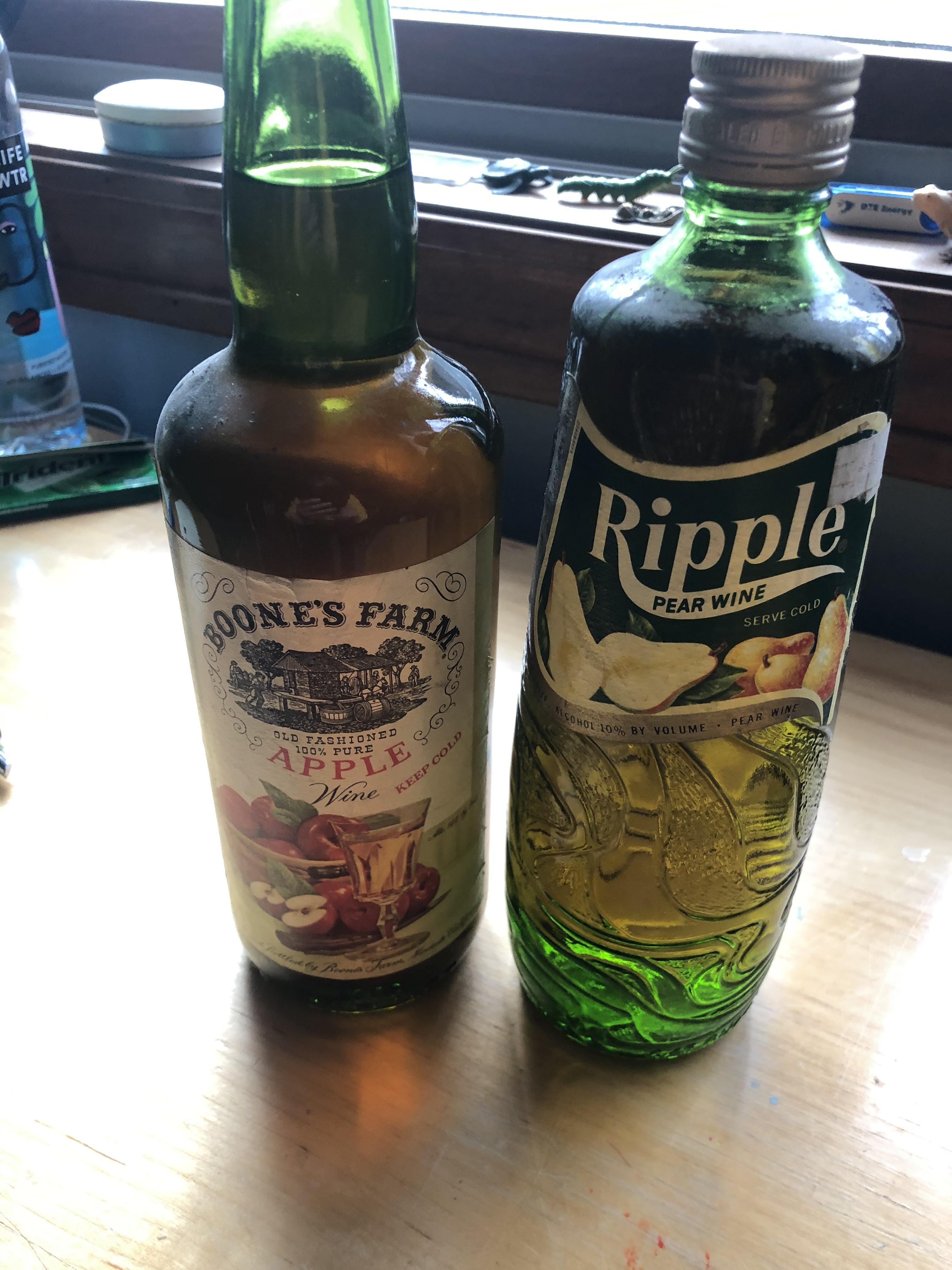
The effect of down-and-out street bumminess was enhanced one sunny day when, unadvisedly walking barefoot in a stream in the Arnold Arboretum, I cut up the soles of both feet on shards of broken glass. By sheer luck, Faulkner Hospital is adjacent to the arboretum, and two of my friends dragged me up there to be sewn up in the emergency room before I bled out. Having Novocain needles inserted directly into the bottoms of both my feet might have been the most excruciating pain I’ve ever experienced. I’m not sure about that …although I do recall that limping along on two heavily bandaged feet for weeks afterward made attempts to buy liquor, Ripple and Mad Dog for my friends that much easier.
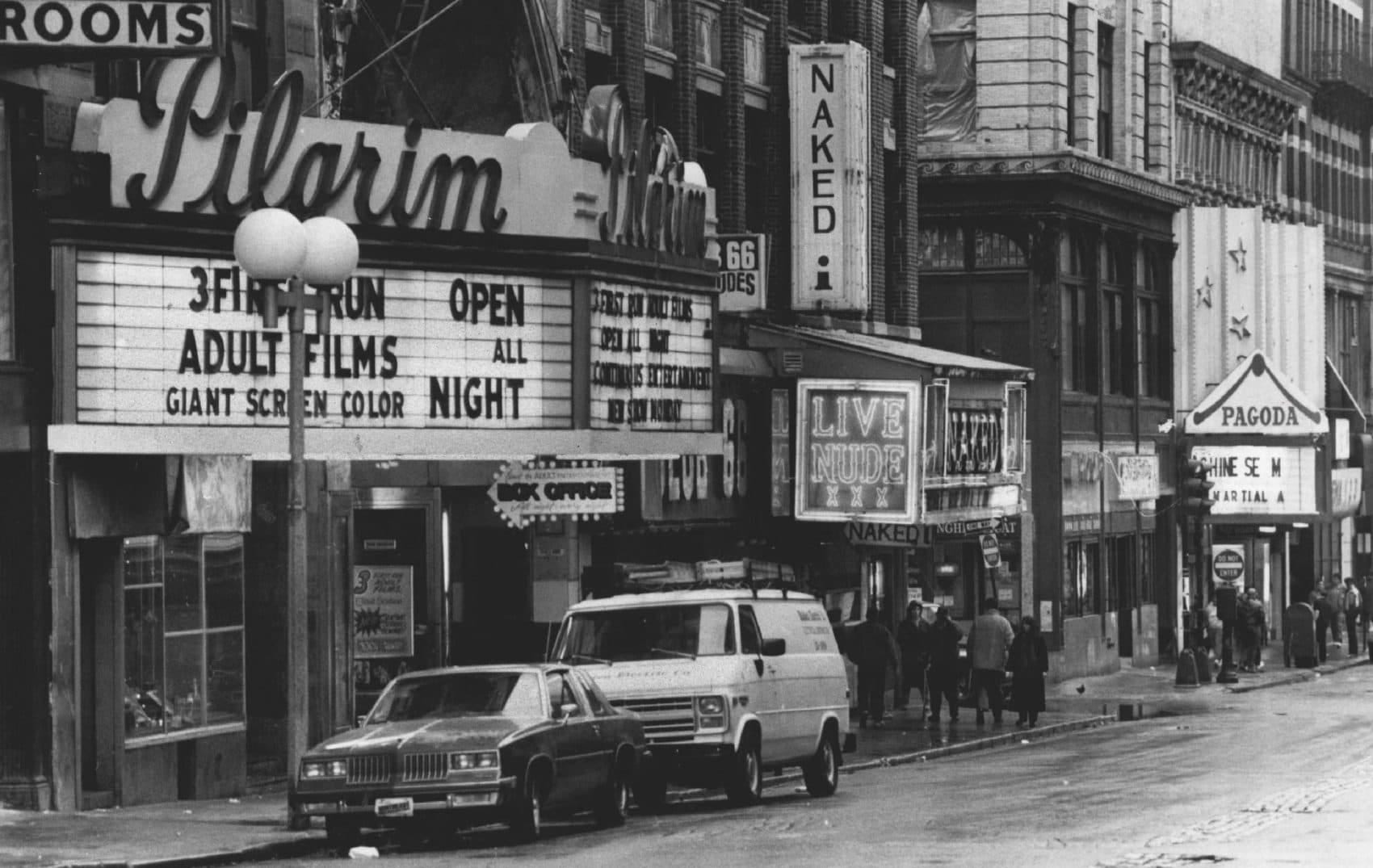
Somewhere in there I also first ventured into what then was called the “Combat Zone,” a warren of downtown x-rated movie houses and strip clubs, most of which featured some sort of pretty decent jazz organ trio backing up the nonstop parade of topless showgirls. Being a semi-homeless street person, I was somewhat limited in funds, and was, even if I had been so inclined, unable to seriously entertain engagement in any of that neighborhood’s seamier delights.
As the late summer dragged on, my girlfriend Debbie from Albany eventually found me and made plans to visit. We journeyed out to Provincetown for a couple of nights, rekindling our doomed Shakespearean romance and hatching a plot to elope away from the long reach of her belligerent, possibly homicidal dad. When she returned to Albany, I followed soon after, squatting in the upper floors of the Troy YMCA at which my friend John Blood was working. I halfheartedly toiled during stiflingly hot Indian Summer days there, sweeping the dusty hallways, and saved up about $100. Flush with this and another hundred or so Debbie’d squirreled away, backpacks loaded with a tent, clothes and assorted kitchen implements, we took a bus to Cortland, did a mock wedding ceremony in Lynn’s dorm, and followed up with a letter to Debbie’s parents outlining the bad news of our fake elopement. We then began hitchhiking west, hoping to make it before snowfall to the shores of Lake Tahoe.
We would get as far as Denver before running low on funds and renting a $65-a-month apartment …
which is another story, to be skipped for now, so as to return to the theme of Boston.
My second extended foray into that conflicted and mysterious city came a few short years later, after Debbie and I had completed our transcontinental teenage odyssey and returned to the family fold in Latham NY, gotten married for real on the sly at my Hardenbergh grandparents’ Loudonville apartment by Episcopal Bishop David Ball, and birthed our first son, Sam.
Having failed to elevate myself past part-time positions as a landscaper, house painter and day laborer in the moribund Capital District job market, I decided to try my luck with a triumphal return to Boston. With my uncle Dan Hardenbergh’s help, we were able to secure a small apartment in Hyde Park, above a family of Italian immigrants whose young patriarch, Salvatore, worked, in his words, “in the sewer.” Boston’s job market at the time was more freewheeling. With Debbie staying at home with 1-year-old Sam, I was able to obtain employment, first as a house painter working for a welfare cheat, and then as a crew chief for a landscaper, during which I remember salivating as the Portuguese men of my crew opened their lunchboxes every day and broke out hunks of homemade bread, wine, imported cheese and smoked meat.
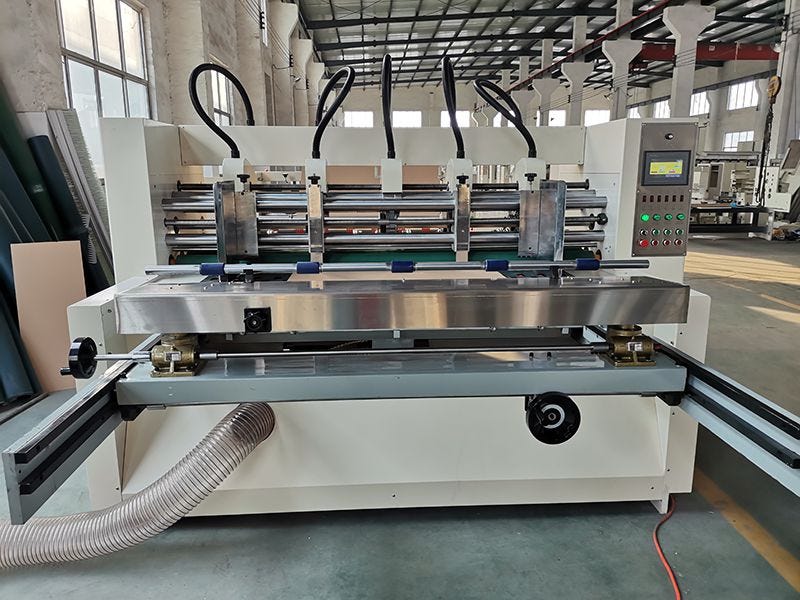
Lastly I toiled as a “slitter operator” on the night shift at Allied Container in Dedham, for decent pay. It was soul-deadening work, and included a mandatory hourlong stint each shift manning the dreaded “corrugator” machine … which emitted the second-loudest sound I’ve ever heard in my life, just edged out by the bass amp of Lemmy Kilmister at Cafe a GoGo in 1995. I’d get a ride to work at 11:30 at night by an elderly co-worker named Willy in his late-model Buick, the sturdy sound system of which would be tuned to an easy-listening station I grew to love. Every night I’d lean my head against the vibrating rear passenger window of Willy’s car to the strains of the Montovani Orchestra or the Anita Kerr Singers, which created in me a state of somnambulistic nirvana I’ve rarely experienced elsewhere.
Our bucolic Boston adventure was cut short by the 1974 busing crisis, which hit Hyde Park like a ton of bricks. With daily riots erupting on the streets, and being as we were decidedly on the non-racist side of things, we were feeling less than safe and opted to hightail it back to Latham before somebody clipped one of us in a driveby.
A crucible of sorts, Boston was in retrospect where, as a young husband and father, the rash “choices” I had made during my anarchistic teenage years became solidified into a plan. I became accommodated to swimming against the stultifying tide of my self-absorbed “boomer” generation by choosing love and children and shitty work while my peers were graduating college and cavorting in discotheques and singles apartment hot tubs and swimming pools. I had begun to look upon the whole lot of them as amoral, grasping narcissists, and shape-shifting opportunists. This attitude only deepened as more and more of my generation were drawn into manipulative, money-focused careers like stock trading, lawyering and business administration.
And Boston, as much as anywhere in late 20th-century America, embraced this vigorously late-capitalist vision of itself, becoming a locus of national and international technology, industry and finance. A magnet almost as irresistible as New York City, Boston soon attracted the remnants of my scattered birth family that had been discarded by my old man during his crappy midlife crisis: my mother, my older sister Lynn, and three younger sisters — Candace, Judy and Susan — all of whom fled Florida to center their lives in the city’s southern reaches just as I had.
Boston is where three of those four sisters became spiritualist seekers. It’s where two of them were converted by New England from being drug-addled, southern rock-addicted Florida biker chicks to suburban moms. It’s where my Irish twin of a sister found her tribe with the Footlight Club in Jamaica Plain, starring in multiple shows. It’s where my mother found her bearings and flourished as a secretary at Harvard Medical School and a singer in the fabulous Dedham Choral Society.
It’s where other, darker and more tragic events also took place over the years, including the untimely deaths of two of those sisters, one troubled nephew and my mother.
It’s where my son Jesse went to college for real, at the Boston Museum School, and where we took to the streets filming his hilarious student films, with me appearing in various bummy roles. It’s where some of my most memorable gigs took place, with Milo Z, the Neville Brothers, and the Jive Five.
I’ve weaned myself later in life away from the orbit of the Boston Hardenberghs, for reasons better left unsaid. There’s a sadness and deep sense of loss there, but the gap for me doesn’t seem bridgeable. We’ll see.
I get back to Boston annually, helping Judy and her son Michael with the comedy fundraiser for their nonprofit organization, Ben Speaks. They’re both doing a shit ton of good work creating a bulwark against bullying and teen suicide.
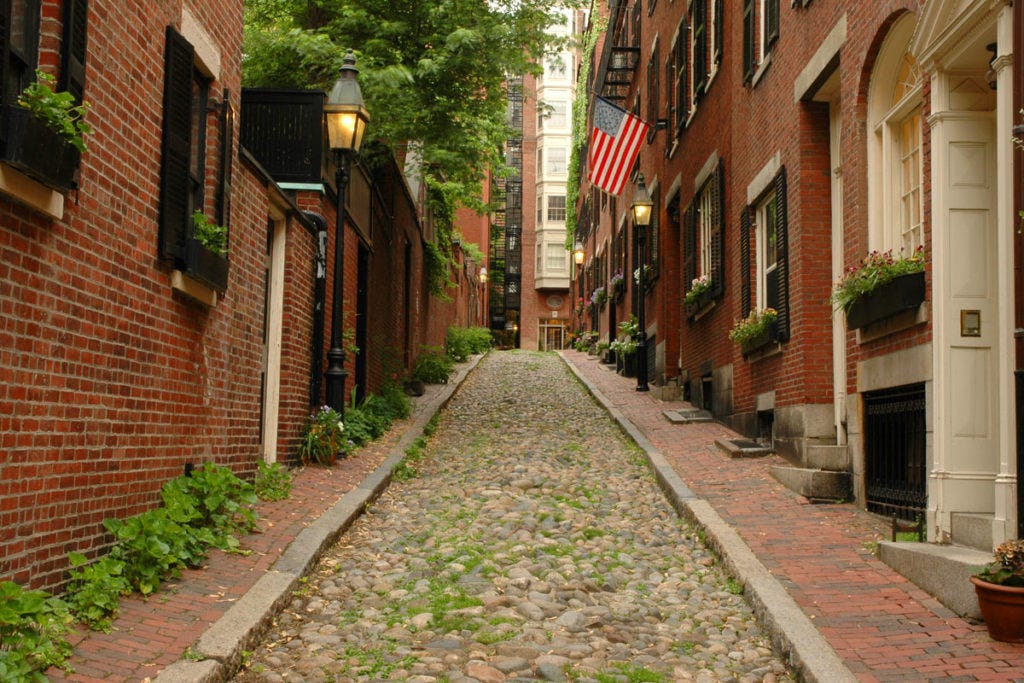
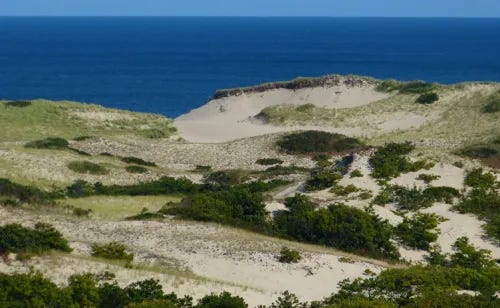
Despite its many drawbacks, Boston remains my second favorite city, and the New England coast from Bar Harbor to Newport remains one of my favorite places to recharge. As a closet believer in the concept of genetic memory, I tend to accept the feeling when my bones try to tell me, when I’m walking through Beacon Hill or climbing a sand dune at the Cape, that I’m “home.” These places were definitely someone’s home in my ancestral past, and those fractured memories still take up space and considerable bandwidth in my slowly deteriorating core.
.
.