
He is Risen
“Creepin’ Jesus” emerges from the vault that time almost forgot


“Creepin’ Jesus” was the derogatory moniker given in 1972 to Norlite Corporation ball mill operator Stephen Hopkins (now known colloquially as either “Biff Thuringer” or “Stephon DeBris,” depending on your exposure to the subject) by the company’s tall, imposing and tough-as-nails foreman, Ken O’Brien, as he observed the skinny, long-haired minion shuffling slowly and noncommittally about his rounds. Norlite was and still is a quarry and manufacturer of crushed, expanded shale aggregate … ultra-light stone used in making the kind of cement that soars gracefully above the heads of football fans as part of the retractable roofs of sports stadiums and such. The factory is a major environmental nightmare and a cause of much illness and woe in the city of Cohoes, NY, as well as in the dust-covered hamlet of Maplewood and surrounding areas. A day working at Norlite, toiling in an atmosphere thick with toxic sulfuric gases emanating from the 300-foot-long revolving “kiln” that blasted small hunks of shale into giant air-bubble-filled molten boulders, was literally a day off of your life. Ashen-faced 30-year-old co-workers, eschewing the wearing of safety gear lest they be labeled as “gay,” looked like they were at least 60 as they coughed and sputtered through their workday. The pay was excellent, however, and “Creepin’ Jesus,” with a young family to support, managed to shuffle and slouch his way through about a year of this purgatory.

O’Brien, resplendent in his shamrock-festooned hard hat, encountered the young anarchist early one morning at the end of a long, brutal night shift as he was sitting atop a pile of ultralight moon rocks reading Kafka. Thus ended Hopkins/Thuringer/DeBris’ career in heavy industry.
Not long after this low point, the defrocked Creepin’ Jesus scored an audience with the titular head of the ancient Albany Democratic political machine, Mayor Erastus Corning, who serendipitously shepherded the high school dropout into a lifesaving lower middle class office job as a social welfare examiner, the salary of which was funded by the thoroughly socialistic CETA program instituted by Richard Nixon, of all people.
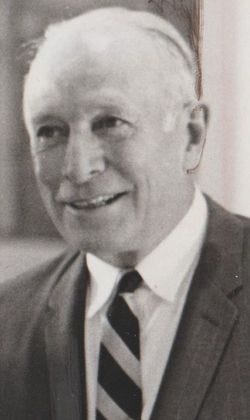
Things were somewhat different then.
This employment, having reduced the young husband and father’s work schedule to a mere 40 hours a week, opened up a world of off-hours opportunity, some of which was taken up by a renewed effort to make music. This foundational facet of Hopkins’s existence was as a result given some room to blossom for the first time in years. He began collaborating in earnest with some of the Capital region’s most accomplished musicians: Jack Maeby, Santi Wilson DeBriano, Bernie Mulleda, Rick Palley, Mark Hollis, Jerry Mall, Peter Booras, Tony Lindsay, Gloria Thomas, George Kaye, Peg and Bill Delaney, John Blood, Scott Ruddy, Jimmy Coles, Joe Mealy, Bob Golderman, Franschaun Schanz, Dean Cholakis, Noreen and Colleen Pratt, George Mastrangelo, Lisa Robilotto, and many more. He was able to record nearly an album’s worth of his songs at Arabellum Studios, run by his friend Art Snay. The sessions took place through the mid to late 1970s. Although the masters have been lost, tape copies have been artfully remastered by Hopkins’s son, composer J.S. Hopkins, and are soon to be released on vinyl on the Chronic Records label. If there is a dearth of fresh-sounding analog music in your life, that void is about to be filled by Biff Thuringer’s sonic blast from a half century ago, “Creepin’ Jesus.”
Thuringer/Hopkins later, in the 1990s, joined the NYC-based funk band Milo Z as keyboardist and co-songwriter. Flourishing in the downtown Manhattan live music scene in the early 1990s, the band broke out in 1993, recorded the Mercury Records album “Basic Need to Howl,” and toured America for two years, mostly with the Neville Brothers, Al Green and The Meters.
The SoundCloud link below leads to a small taste of what is to come from Thuringer’s distant past: the delicious R&B slow jam “Survivors of the Storm,” featuring the gorgeous vocals of a young Tony Lindsay, showing the pipes that would later drive Santana to a Grammy-winning resurgence for 25 years beginning in the early 1990s. Listen on a good sound system or decent headphones, and stay tuned for release dates and other info.
https://on.soundcloud.com/Hf2vYZiOUcJSKPRcO3

Great writing. Entertaining and enlightening.
I love this Steve. Can’t wait to get mine.